



In Bubaigawara, there's a historical temple called Kōan-ji Temple.
To get to Kōan-ji Temple, exit the ticket gates at Bubaigawara Station, go through the shopping street on your left, and then head towards Ōkunitama Shrine on the right along the former Kōshū Kaidō road. You'll find it there.
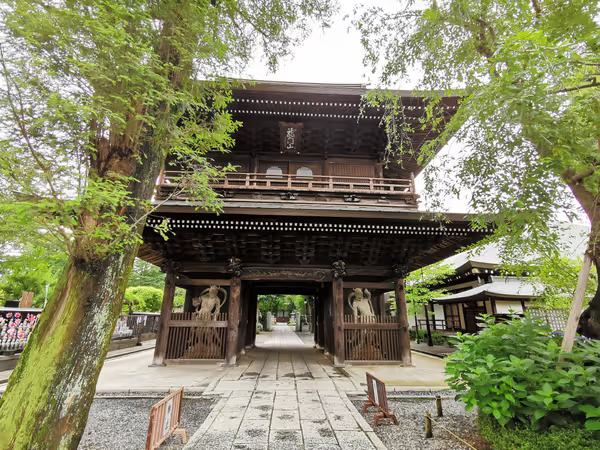
This is the magnificent main gate of Kōan-ji Temple. The highlights are the Nio statues and the Kalavinka. There is also an unusual Datsueba (Old woman who steals clothes) on the back side.
(The history and more about Kōan-ji Temple are introduced in the walking tour video at the end of the article, so please take a look if you'd like.)
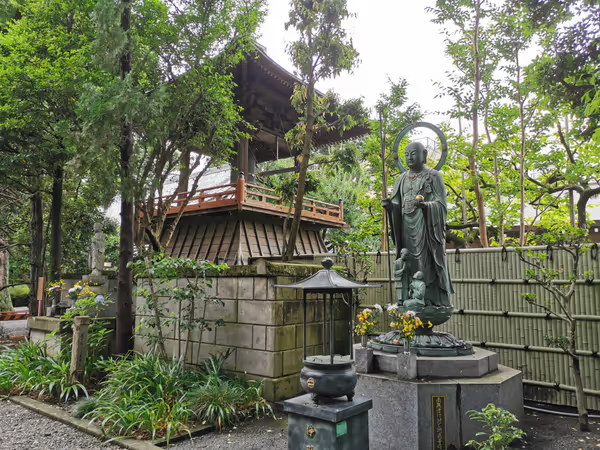
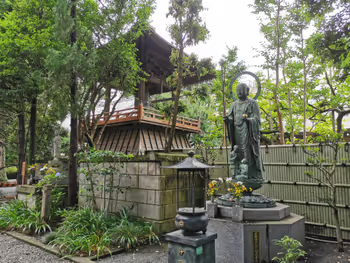
Here are the Boke-fuji Jizo statue and the bell tower. It is a tranquil temple grounds surrounded by greenery. It's also a power spot in Bubaigawara.
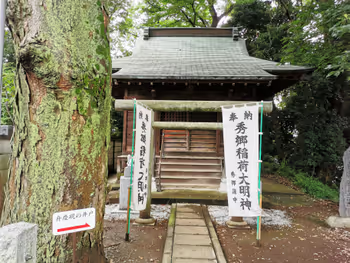
And when you go to the left from the front of the main hall, you'll find the Hidesato Inari Shrine, which is related to Fujiwara no Hidesato.
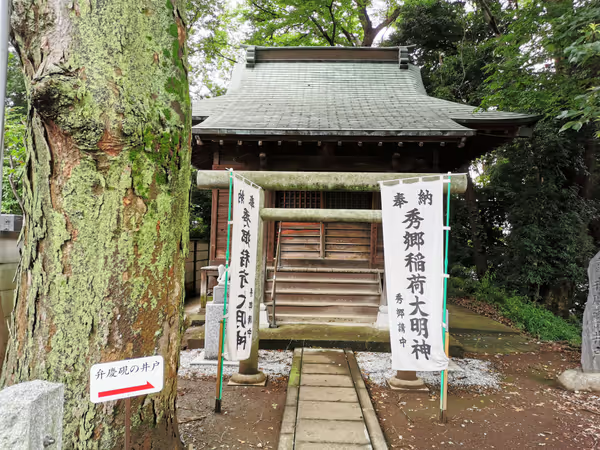
It originated from the founding of Kensho-ji Temple on the site where Fujiwara no Hidesato, known for subduing Taira no Masakado, built his residence.
And then there is a spot called Benkei's Inkstone Well on the right.
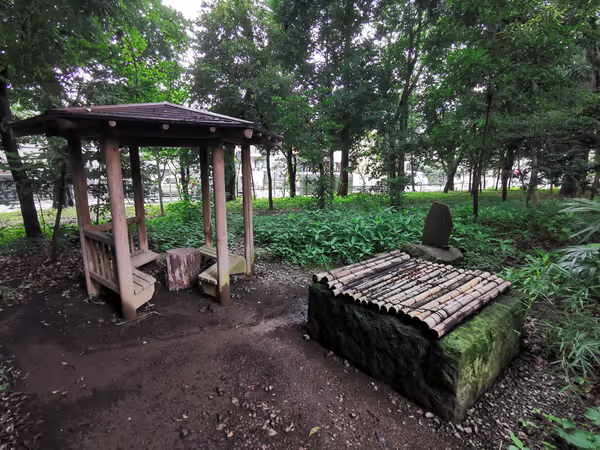
There's an azumaya (gazebo) and Benkei's Inkstone Well where you can take a relaxing break.
After destroying the Taira clan in the Battle of Dan-no-ura, Yoshitsune and his party attempted to return to Kamakura, but they incurred Yoritomo's anger and were not allowed to enter Kamakura.
He sent a letter of explanation, the Koshigoe-jo, but still was not forgiven, so he stayed at Kōan-ji Temple and wrote the Heart Sutra using the water from this well and sent another letter of explanation. However, it seems he was still not forgiven...
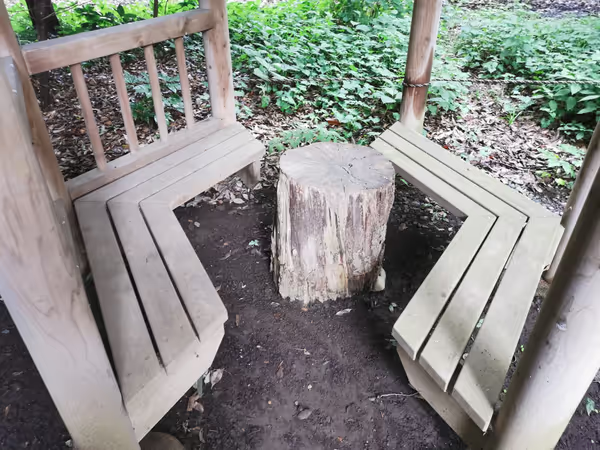
The azumaya has wooden benches, and the center can be used as a table.
Why not stop by when you take a walk around Kōan-ji Temple in Bubaigawara!?
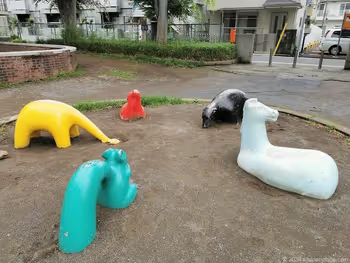
Also, the benches in Miyoshicho Park in Bubaigawara are also recommended.
So, why not use these spots as resting places around Bubaigawara Station?